
Posts Tagged ‘English’
Avoiding the “S’s”
By Carlos López Padilla
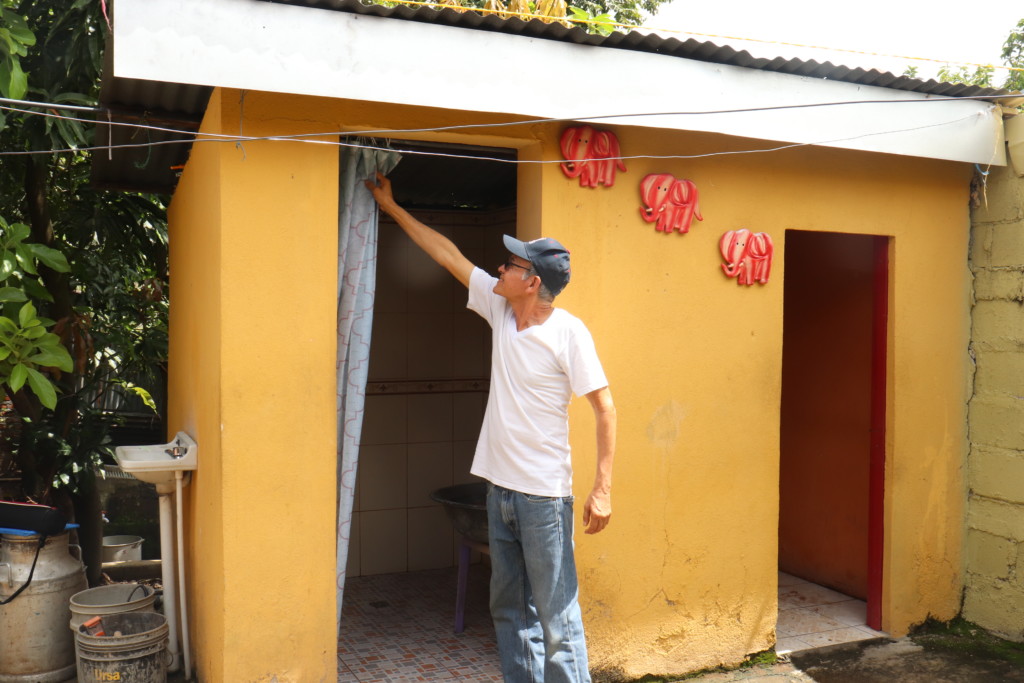
Sanitation management is often overlooked in comparison to other WASH services. On our next blog, learn about our work to achieve high-quality sustainable sanitation services in Nicaragua.
Changing lives through changed WASH behaviors
By Monique Uwimpuhwe
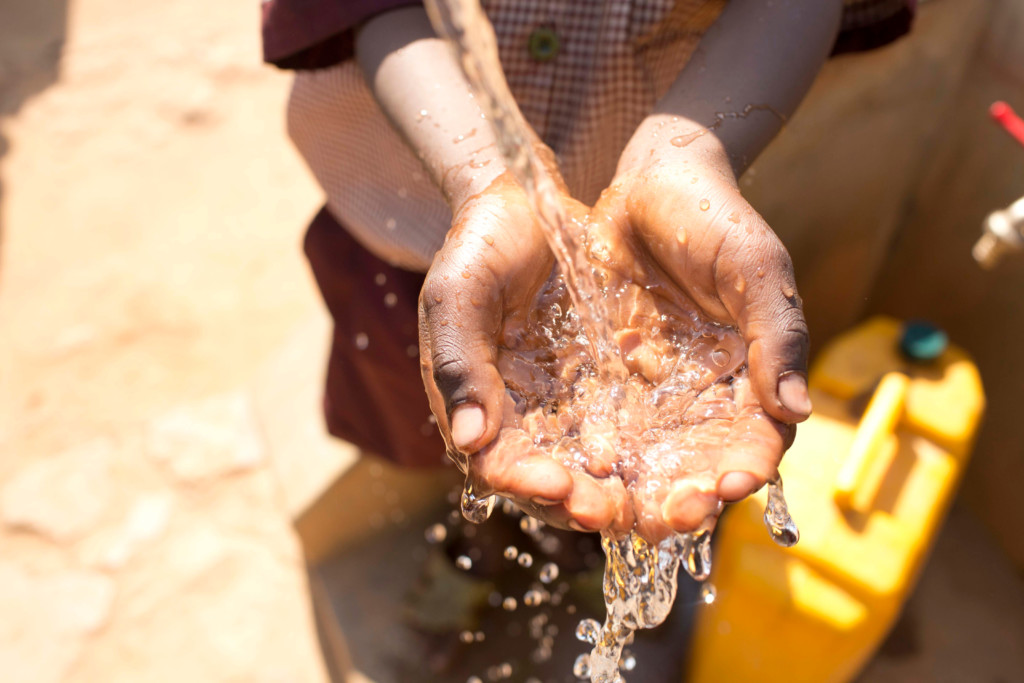
This blog presents the work of Water For People alongside the Rwanda National Program of Community Based Environmental Health Prom and their joint work to change the WASH behaviors of a community in the Rulindo District.
Solutions for our students: A mobilization drive for a better school environment
By Pritanu Mishra & Saurya Sekhar Pal
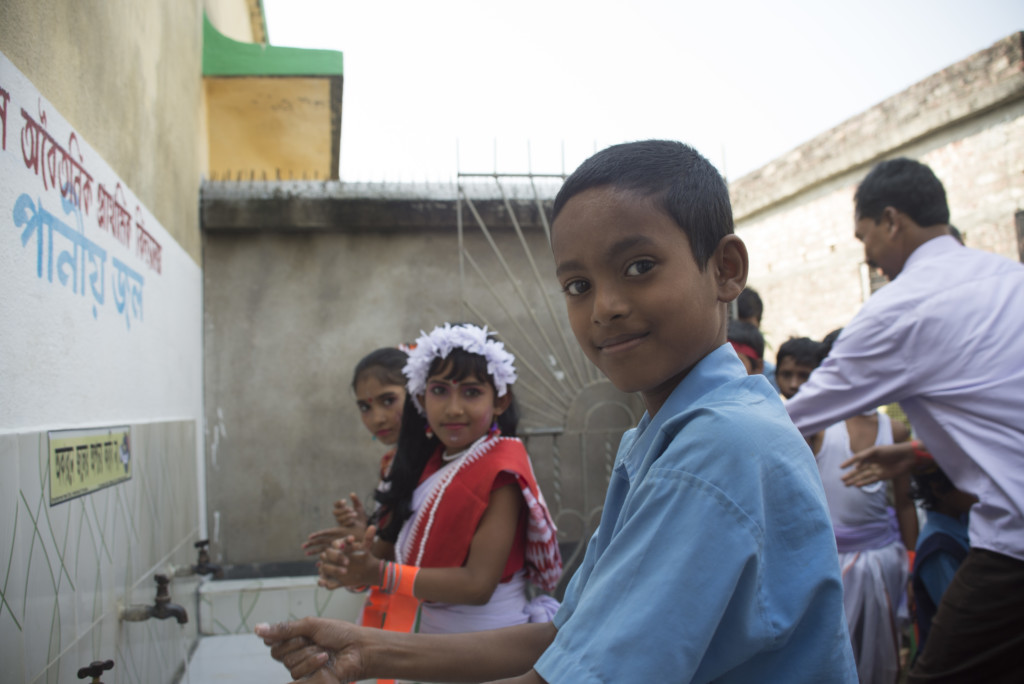
This story reflects government departments, teachers, parents, students, and project staff coming together to help schools to improve operation and maintenance (O&M) of School Water, Sanitation, and Hygiene (SWASH) facilities.
Water Resources Management via Rooftop Rainwater Harvesting
By Prakash Nayak
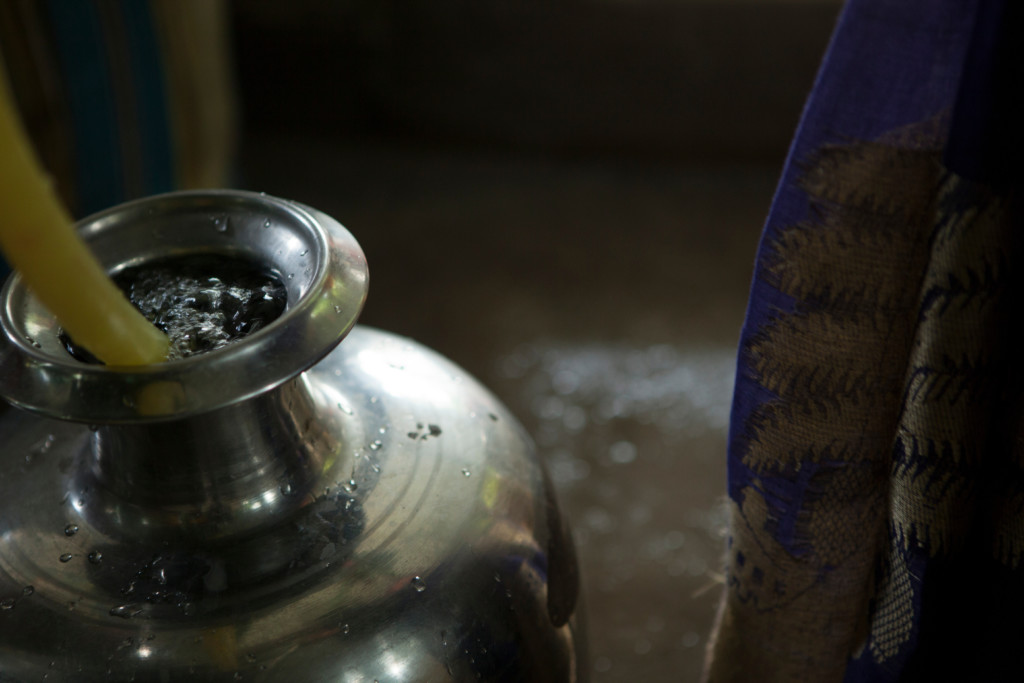
Rooftop rainwater harvesting is a technique through which rainwater is captured from household rooftop catchments and stored in a designated reservoir. Harvested rainwater can be stored in these reservoirs for future household consumption, and any overflow can be stored in subsurface groundwater reservoirs for additional uses, such as irrigation.
Financing Water and Sanitation: A Potential that Microfinance Institutions Should Explore
By Cesar López
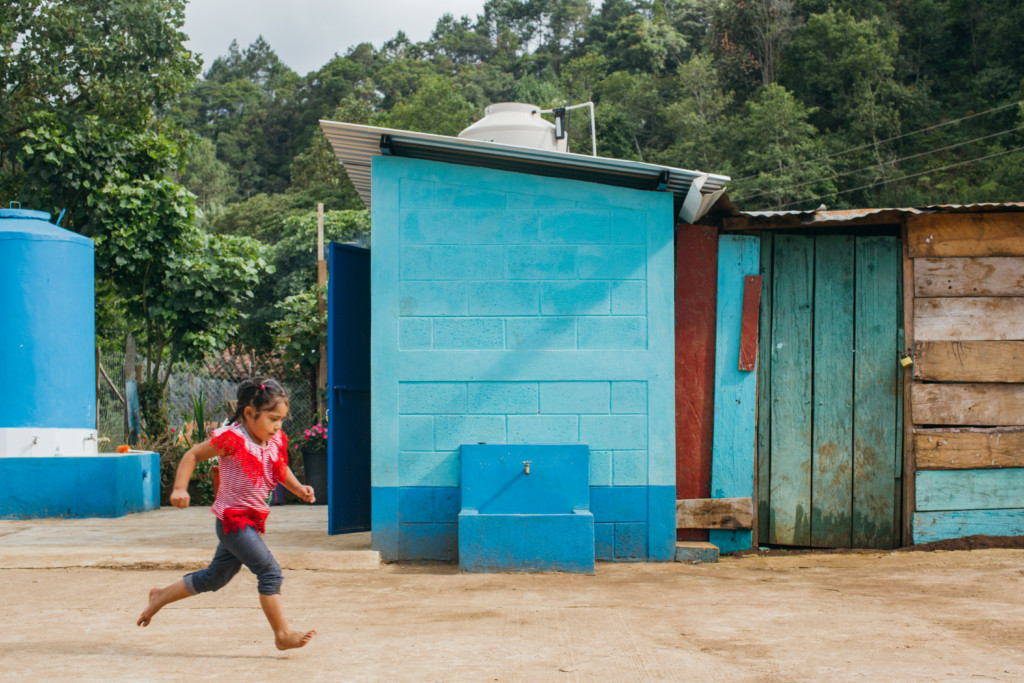
Microfinance institutions (MFIs) in Latin America, and specifically in Guatemala, have shown greater openness to non-traditional financing initiatives, including low-income housing, solar panels, wood-saving stoves, and sustainable agriculture. We are also beginning to see the emergence of financing for decentralized water and sanitation solutions on a small scale for families without access to dignified and hygienic home solutions.
The Rulindo Challenge Program: A Personal Reflection on the Journey to Bring Water to Everyone
By Eugene Dusingizumuremyi
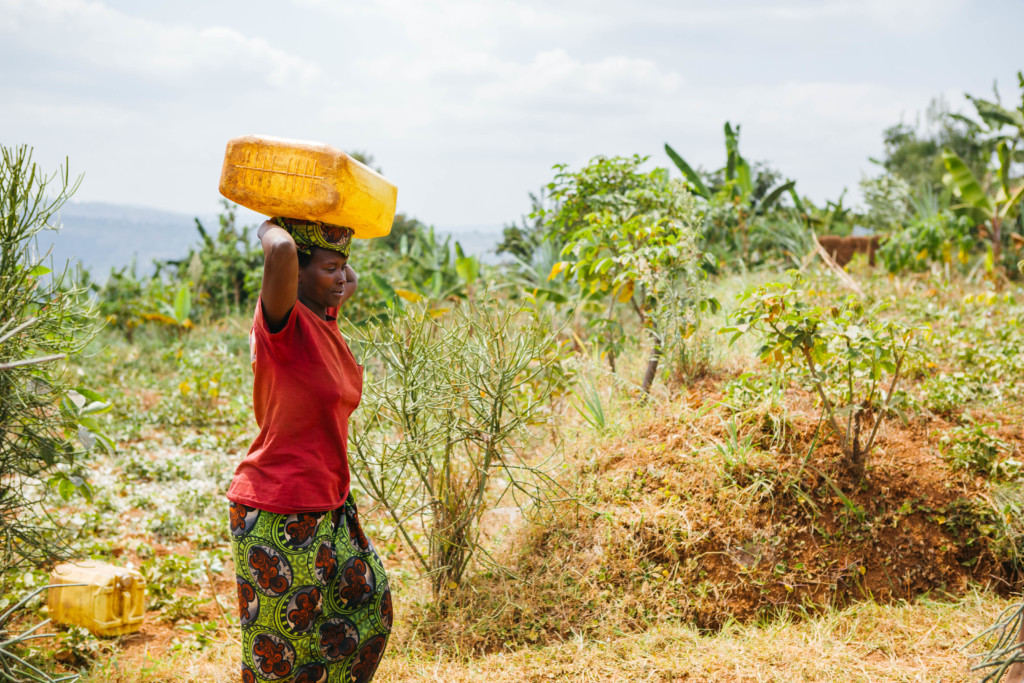
With my passion for water and the inspiration derived from Marianne and her neighbors, combined with the resolve from all Rulindo Challenge Program partners, Rulindo District achieved universal water supply infrastructure coverage in 2019.
WASH Sector Challenges in the Face of the Pandemic
By Julio Antonio Guzmán Tocto
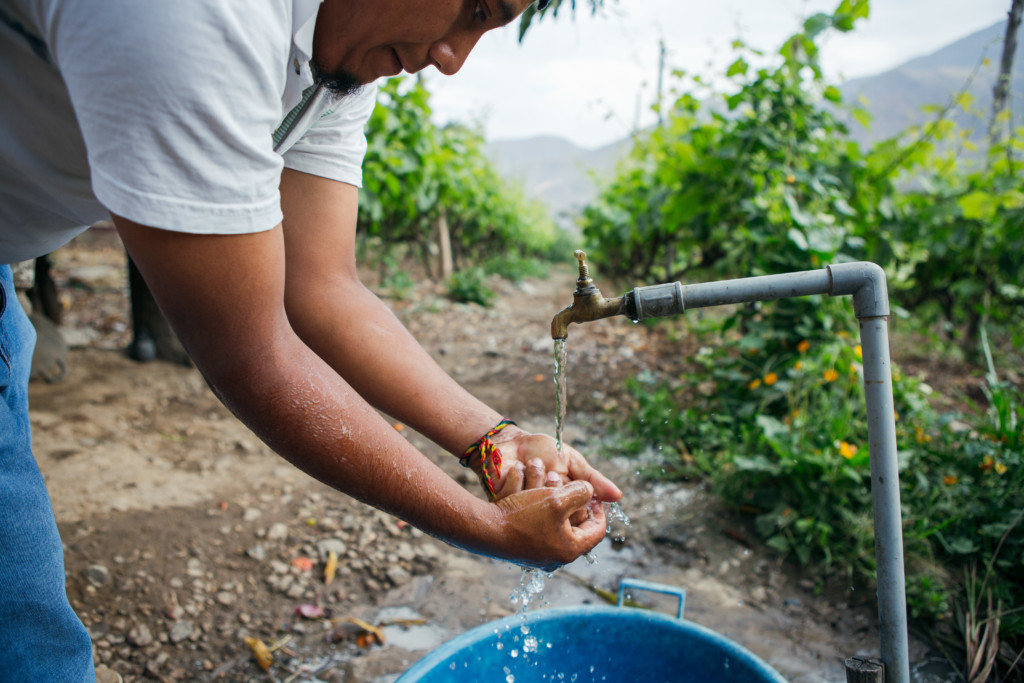
The departments of Cajamarca and La Libertad in Perú have been promoting a set of recommendations intended for the Municipal Technical Departments (ATM, for the Spanish acronym), rural providers generally called Sanitation Services Management Boards (JASS, for the Spanish acronym) and users, to guarantee the provision of sanitation services in the midst of national emergency due to COVID-19.
District Sanitation Centers
By Sam Noheli
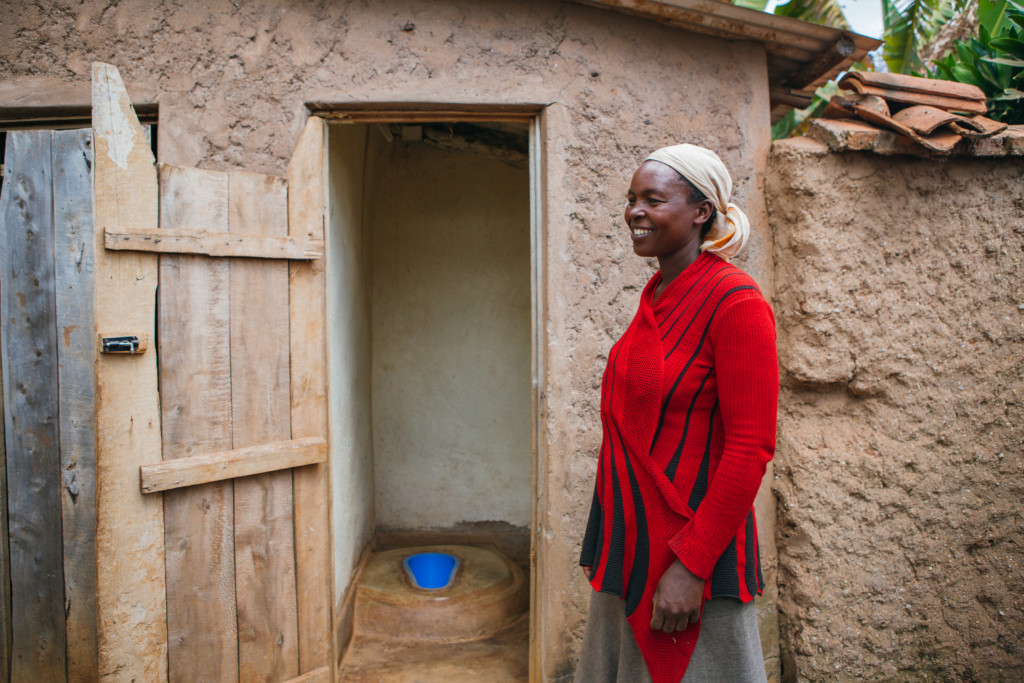
In December 2016, Rwanda adopted a new National Sanitation Policy to ensure expanded access to safe and sustainable sanitation services through several means, including establishing District Sanitation Centers (DSCs).2 The Policy envisions each district to have at least one DSC to reach approximately 300,000 inhabitants each. DSCs have three main functions – display, selling, and training – and focus on reaching households that do not have improved sanitation.
Financial Sustainability during COVID-19: Professor Ernesto’s decision to help his community
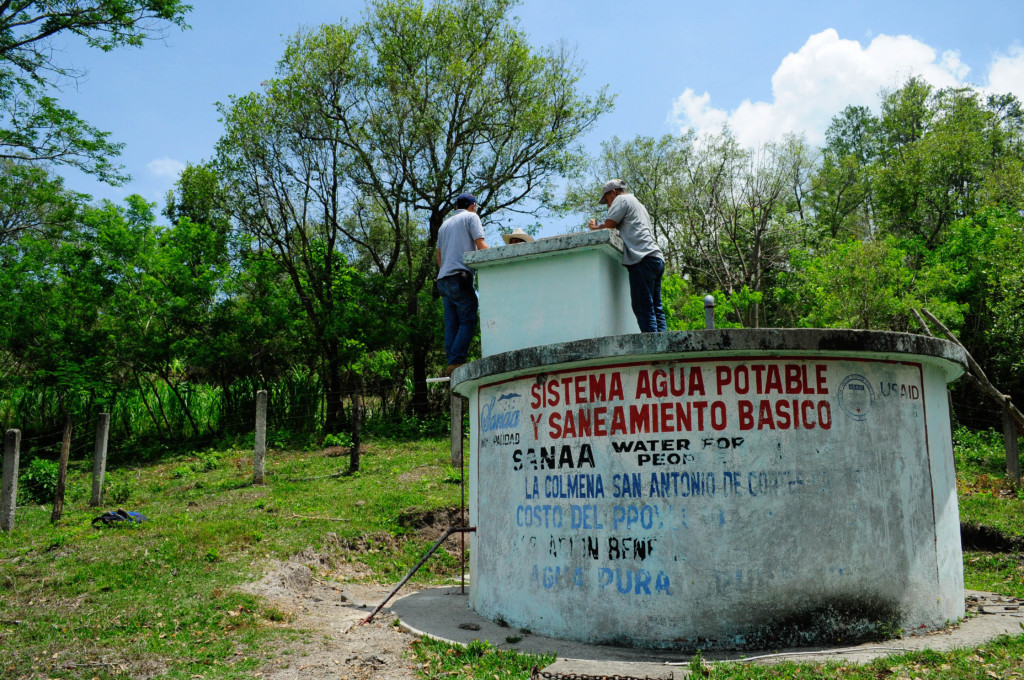
By Azucena Serrano
Las Casitas is a community of approximately 900 people, located in the municipality of San Antonio de Cortés. This community currently has a drinking water system built 17 years ago which stands out in the municipality for its administration’s fine leadership. They have always had a tariff that covers 100% of the operations and maintenance costs of the water system, and any additional income that the system does not immediately require has been converted into savings for its replacement.
The Ever-Evolving Gulper
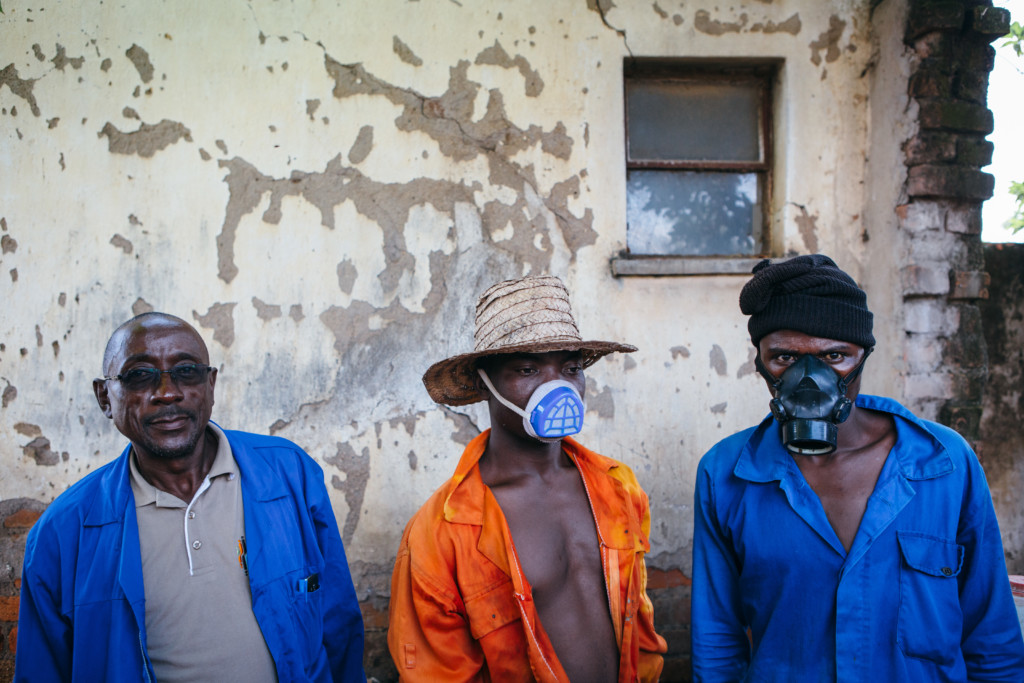
By Brian Mulenga
Almost 10 years ago, the “Gulper” was first introduced in Blantyre. This is a simple hand operated pump used by pit emptiers to remove sludge from pit latrines. Little did we know that this simple piece of equipment would be a game-changer for pit emptying service provision and become an adored technology with multiple versions.